What actually wears a car wrap out?
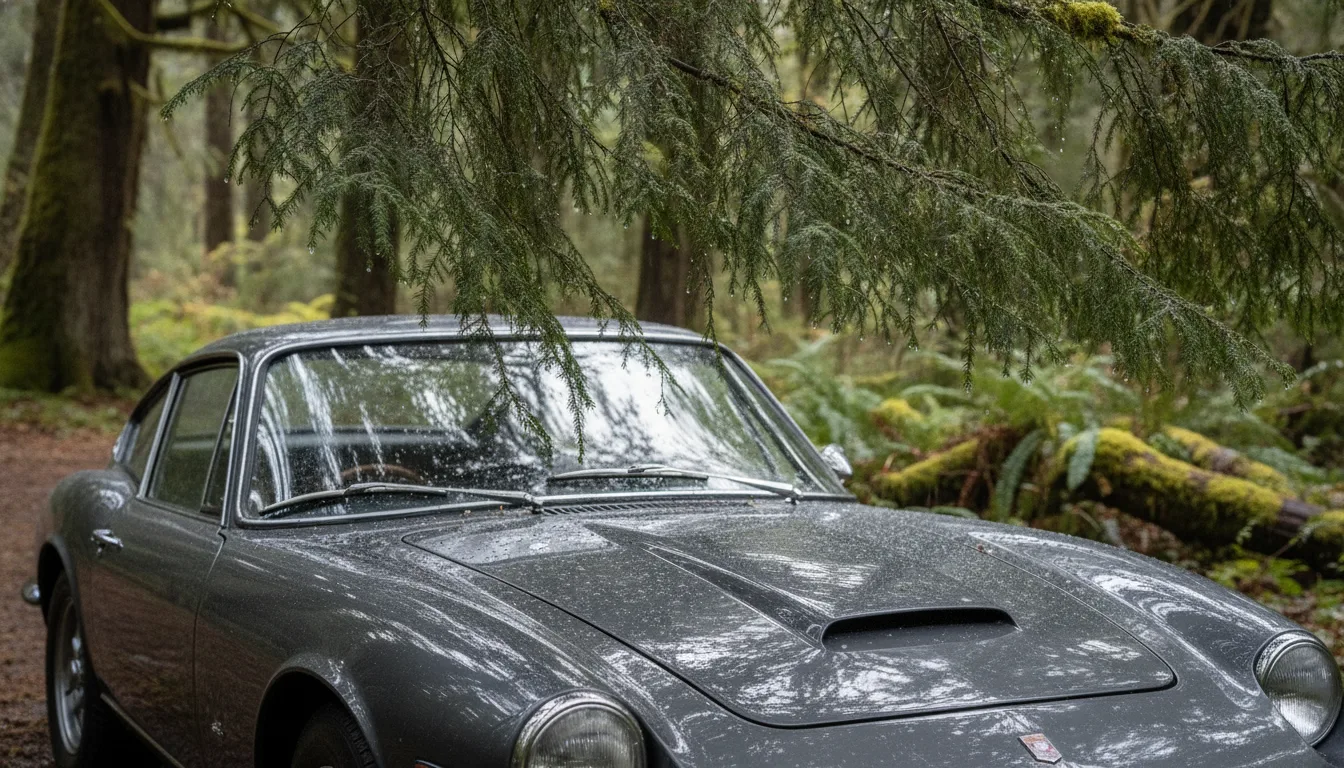
Not driving it. Rain does not hurt vinyl, and neither does a wet commute down I-5, a winter of road spray on Highway 167, or a car that never sees a garage. A premium cast film gives five to seven years of Pacific Northwest service, and in our experience the wraps that fall short of that got there through the wash bay rather than the road.
There are really only four ways an owner shortens a wrap, and it is worth naming all four before any technique, because every rule further down traces back to one of them.
Mechanical. Brushes, sponges, gritty towels and a pressure wand pointed at an edge. Film is a thin layer bonded to your paint, and every edge is a place where something can get under it. This is the one that does damage in seconds rather than seasons.
Chemical. Dish soap, degreasers, acid wheel cleaners and solvent-based bug and tar removers. They work on the adhesive at the edges and the face of the film at the same time, and the effect is cumulative, so the car looks fine for a year and then starts lifting at a door edge.
Time. Bird droppings, tree sap, bug splatter and spilled fuel do their damage by sitting there. The same contaminant rinsed off the same afternoon is a non-event. Left through a hot week it stains, and on a flat finish that stain is permanent.
Light and heat. The slowest of the four, and the only one you handle by where you park rather than what you do. Horizontal panels take the most of it, which is why a roof, hood or trunk lid always ages ahead of the doors.
None of what follows is difficult, and the whole routine takes less time than most people expect. It is just specific, and two or three steps are the exact opposite of what someone who has only ever owned painted cars would do.
Is the routine worth the trouble?
Work out what an hour of washing is protecting. A full color change averages $4,500 on a sedan or coupe, $5,300 on an SUV or truck and $6,000 on a van or large vehicle, and even accent work starts at $200 for mirror caps, $250 for a hood and $350 for a roof. That film took three to five days on the bench for a full wrap, one to two days for accents. Against those numbers, an hour of hand washing every week or two is the cheapest item on the whole list, and it is the only one that decides where in the five to seven year range your wrap actually lands.
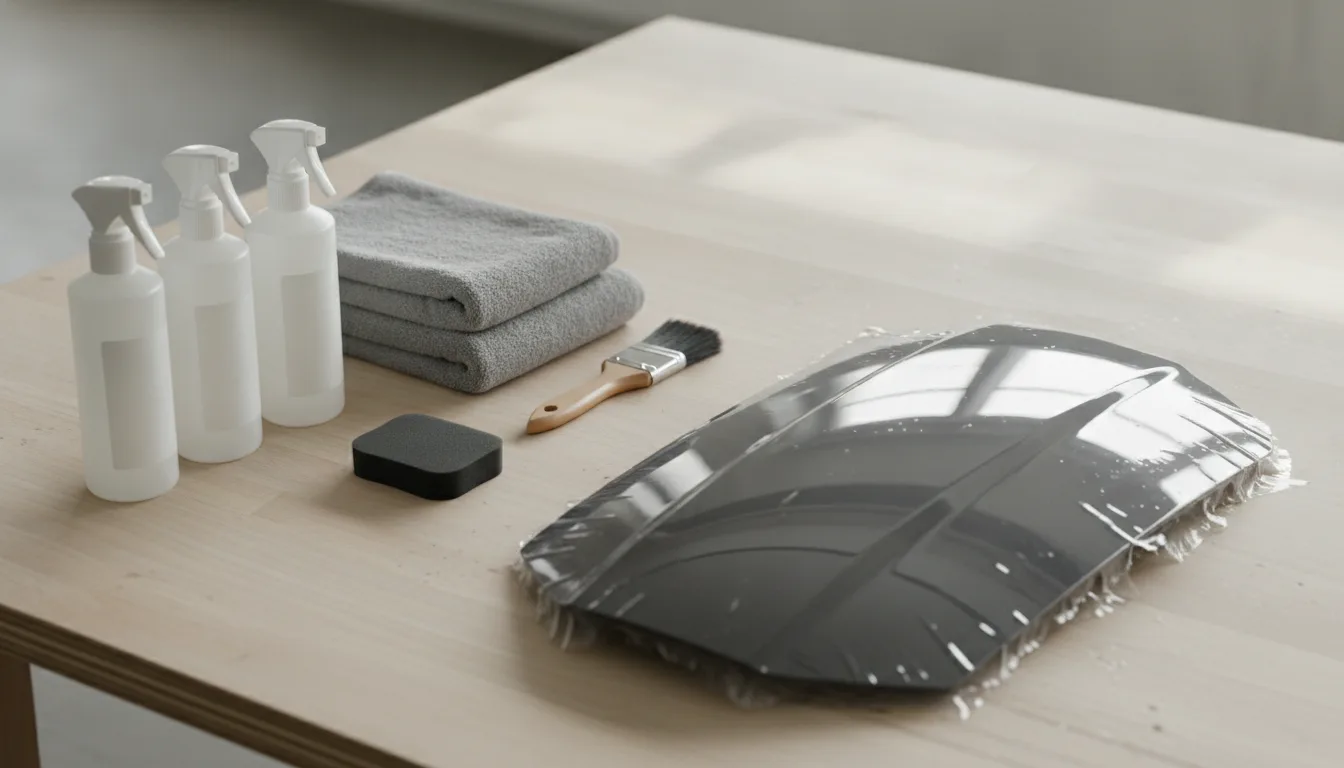
For the record on our end: your film cures indoors overnight before the car leaves our bay, the final quality check happens under inspection lighting, and you come back two weeks later for a complimentary inspection where we check every edge and fix anything that needs it. Every wrap goes home with care instructions and an aftercare kit. If you want the first wash date pinned down for your particular film and coverage, ask us at pickup rather than guessing.